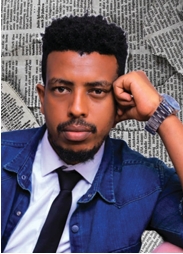
NEBAY ABRAHA

Born in 1996, Nebay Abraha is a self taught Eritrean artist whose compelling mixed-media collages serve as a visual memoir of displacement, identity, and the search for belonging. Born in Eritrea, he left his home country to escape repression and persecution, beginning a journey that would profoundly shape his artistic voice. After periods living in Addis Ababa, Ethiopia, and Juba, South Sudan, he relocated to Kampala, Uganda. His art is a direct reflection of this migratory experience, a way for him to remember home while navigating his place in a new country. 

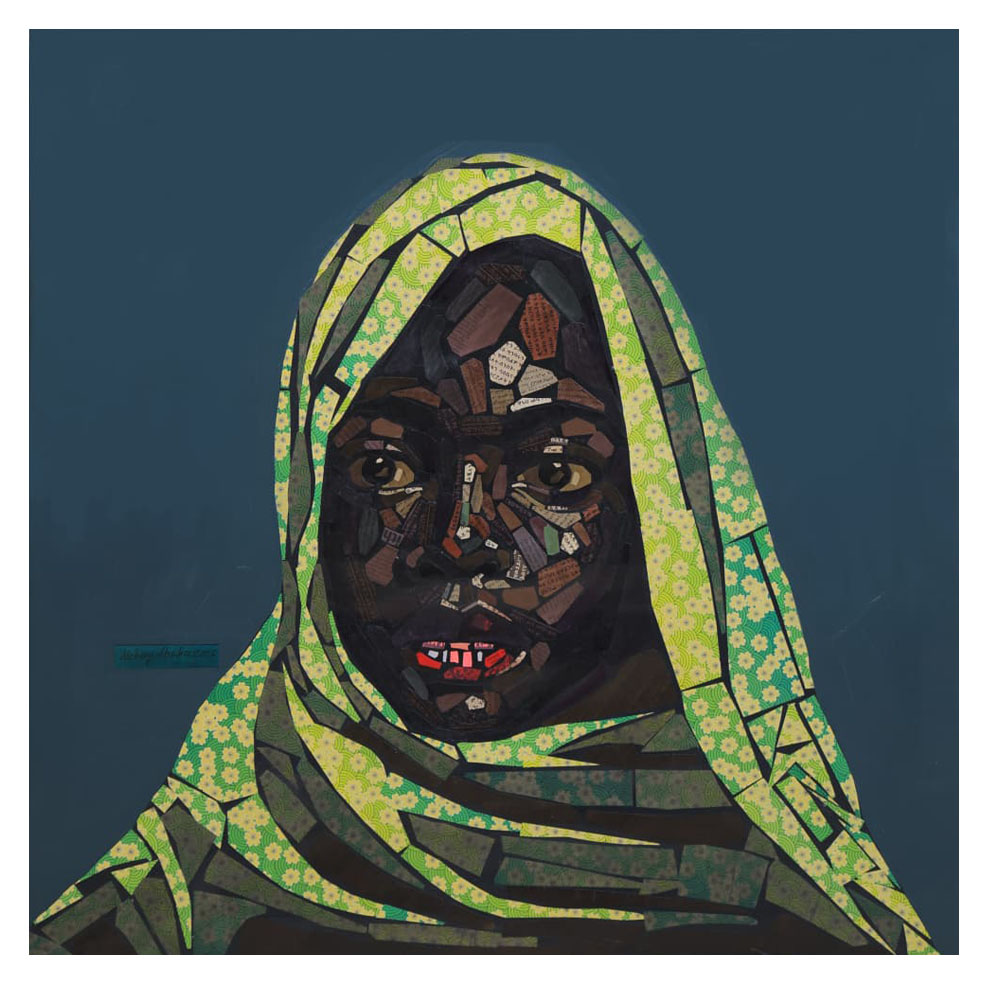
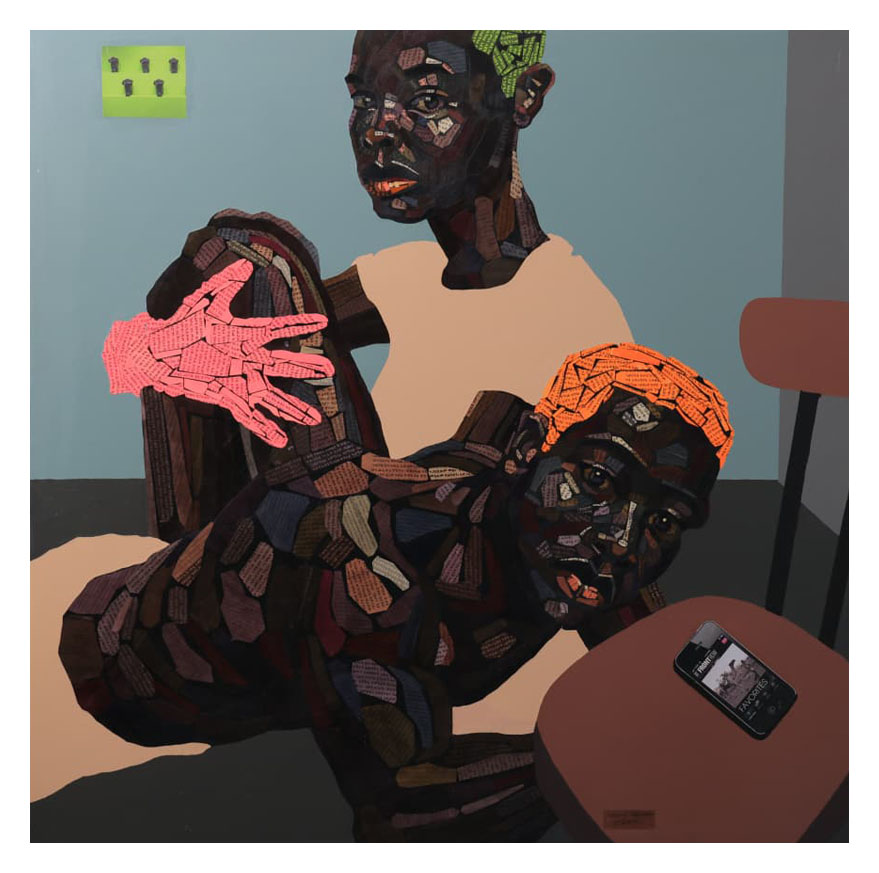
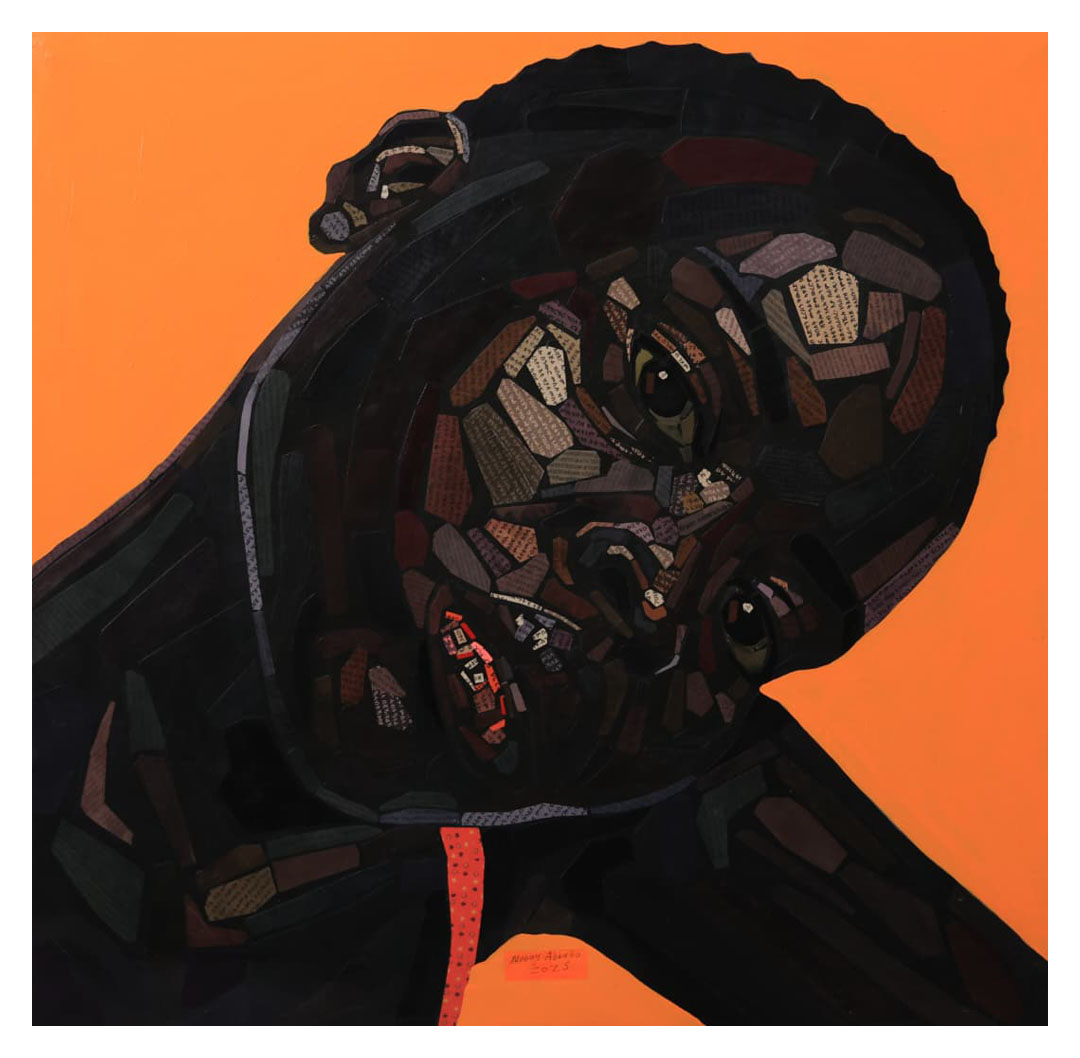
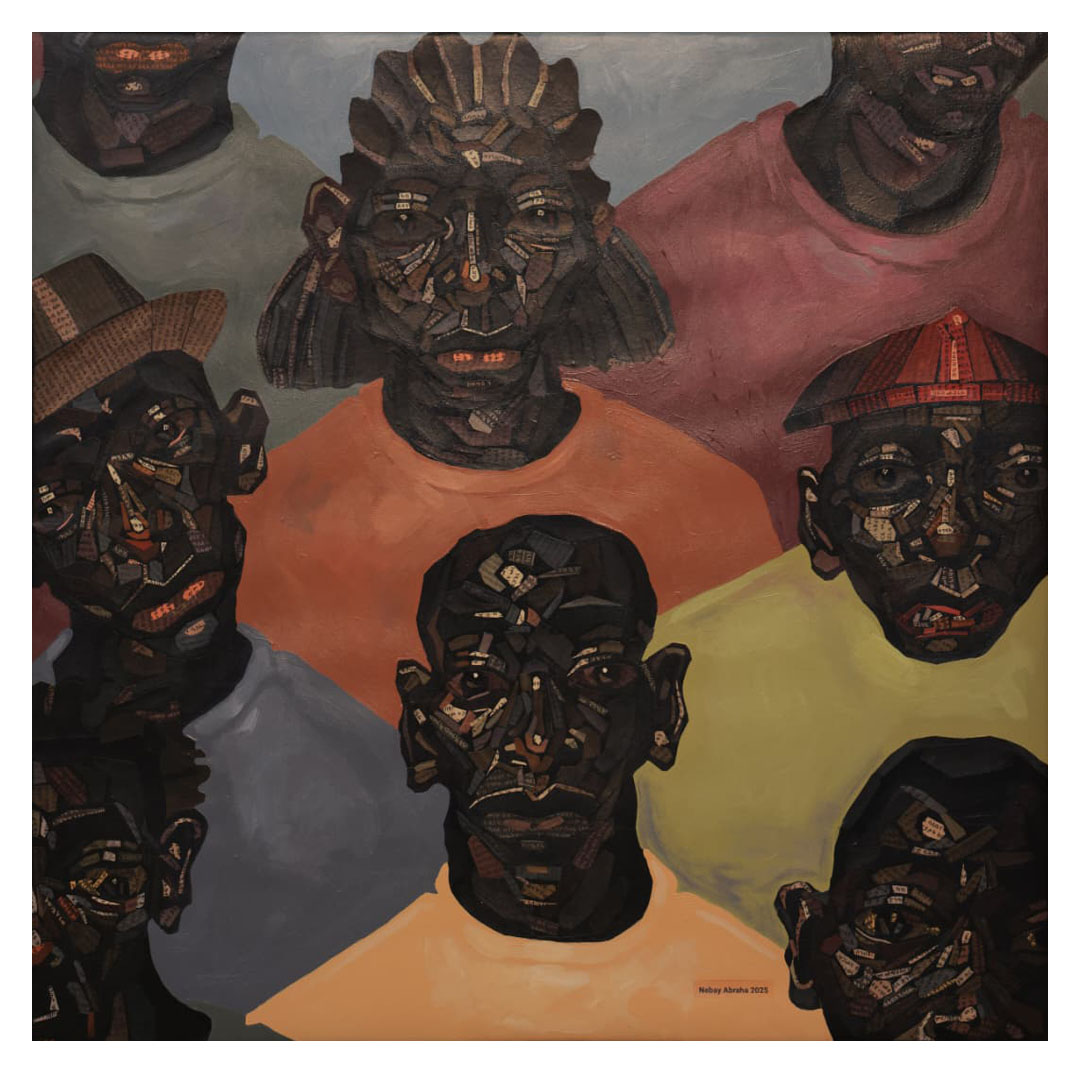
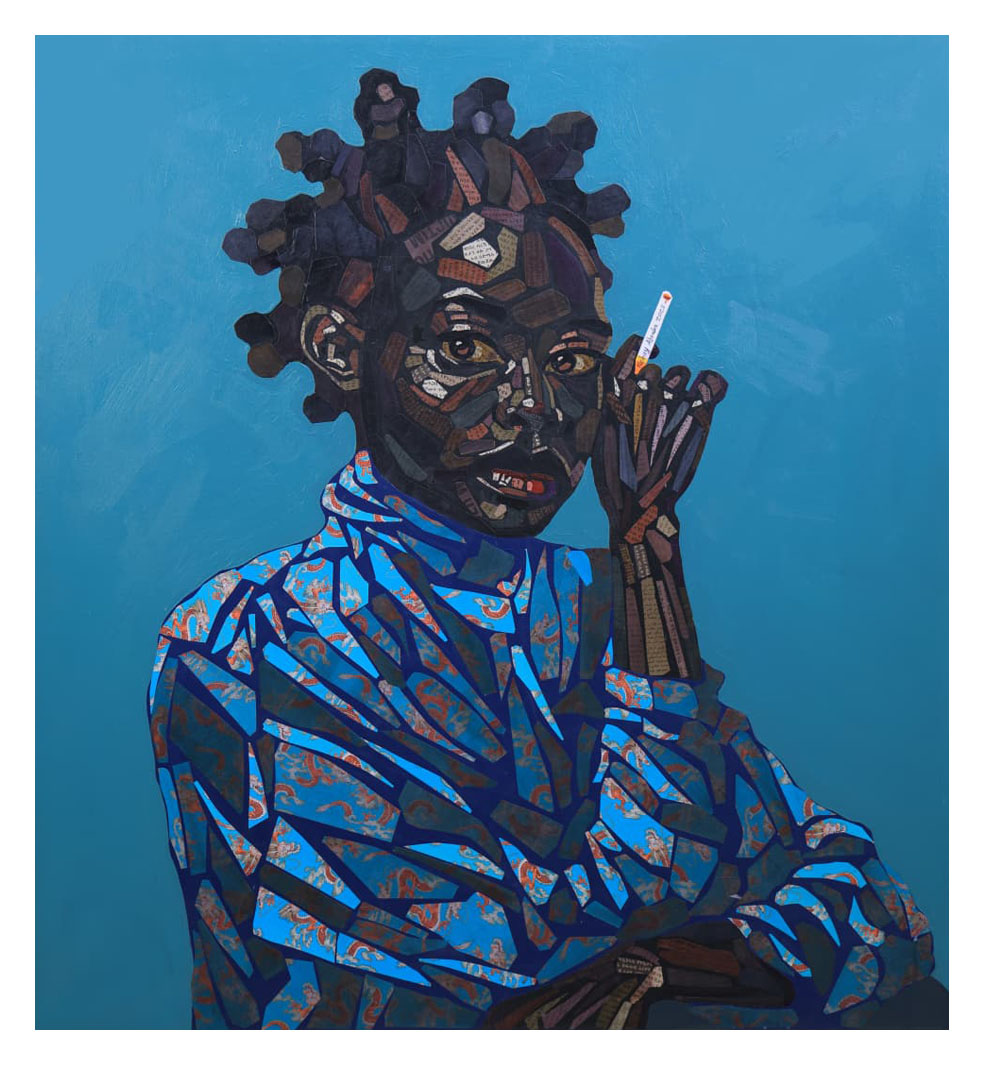
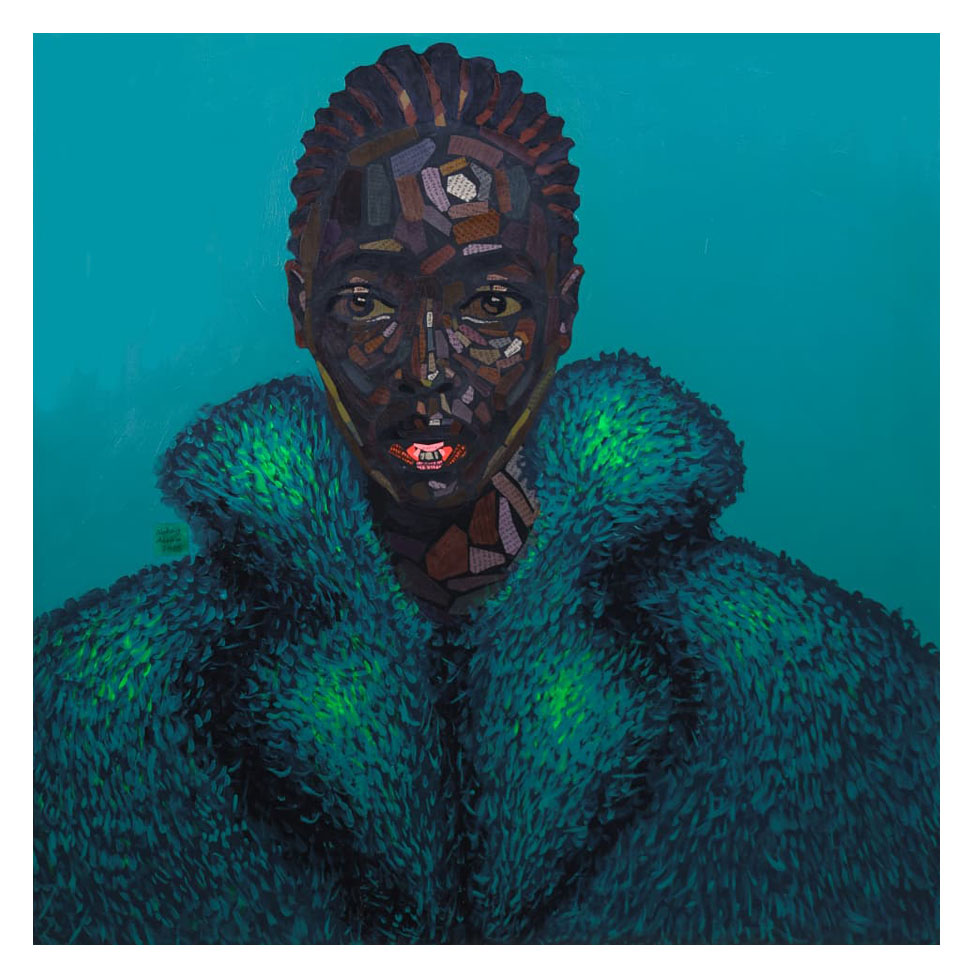
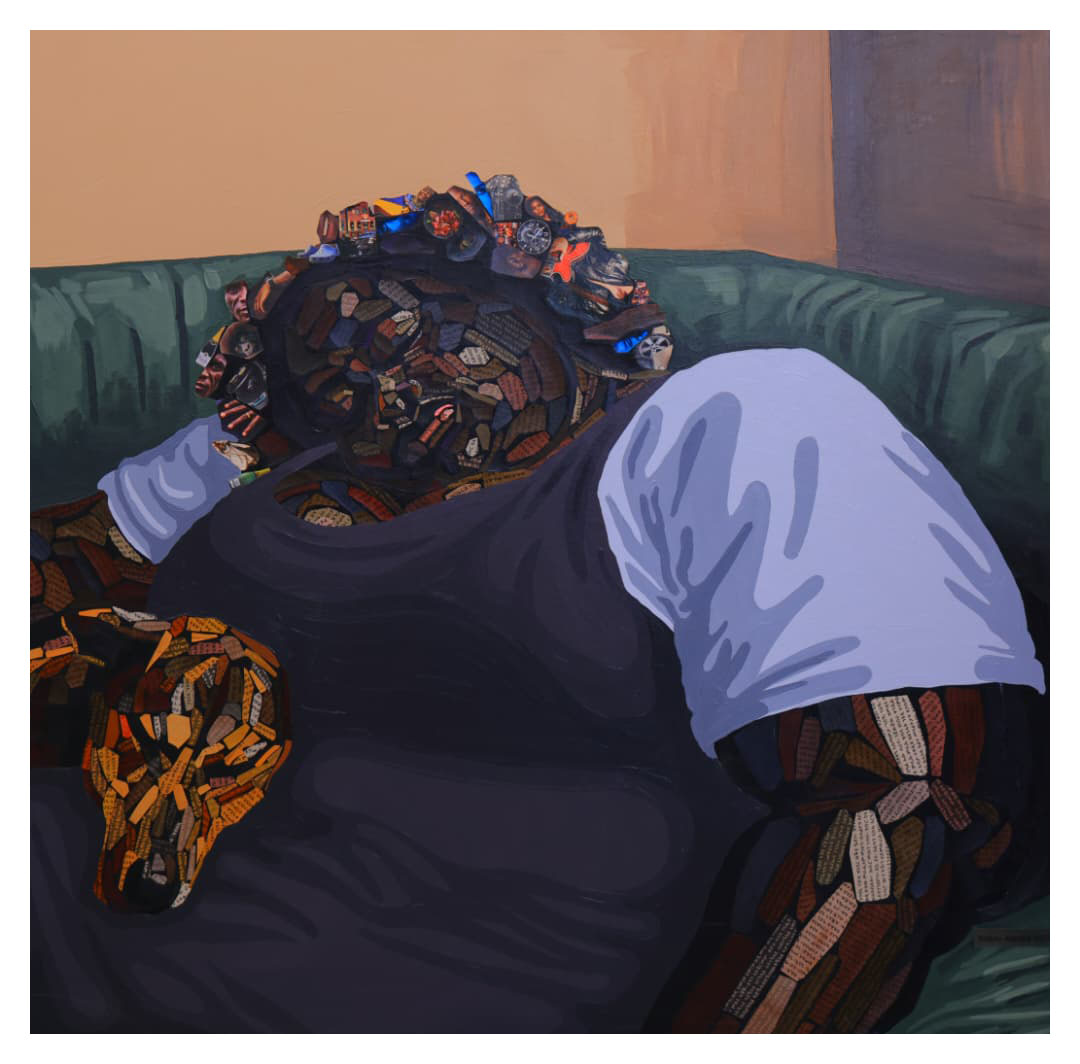
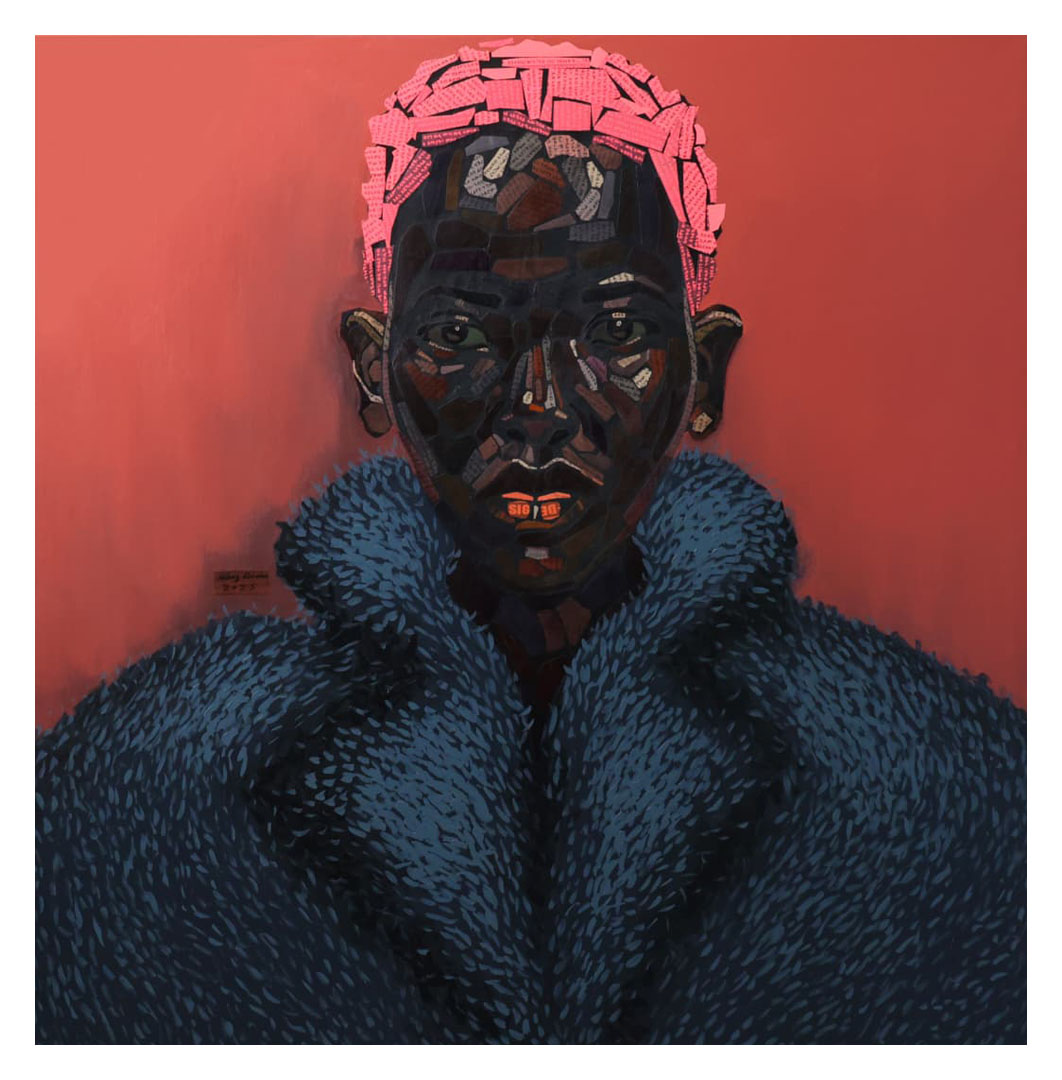
His work is characterised by a deeply introspective style that blends realism with a layered, symbolic use of materials. Using a combination of recycled newspapers, charcoal, and acrylics on canvas, Nebay creates powerful figurative portraits that speak to the inner lives of immigrants and displaced individuals. The use of mixed media is deliberate; the chaotic and transient nature of the layered newspapers symbolises the influx of external influences and the fragmented narratives that shape a person’s identity in a new environment. He sees his process as a form of “psychotherapy,” a way to confront the feelings of isolation and homesickness that come with living in self-imposed exile
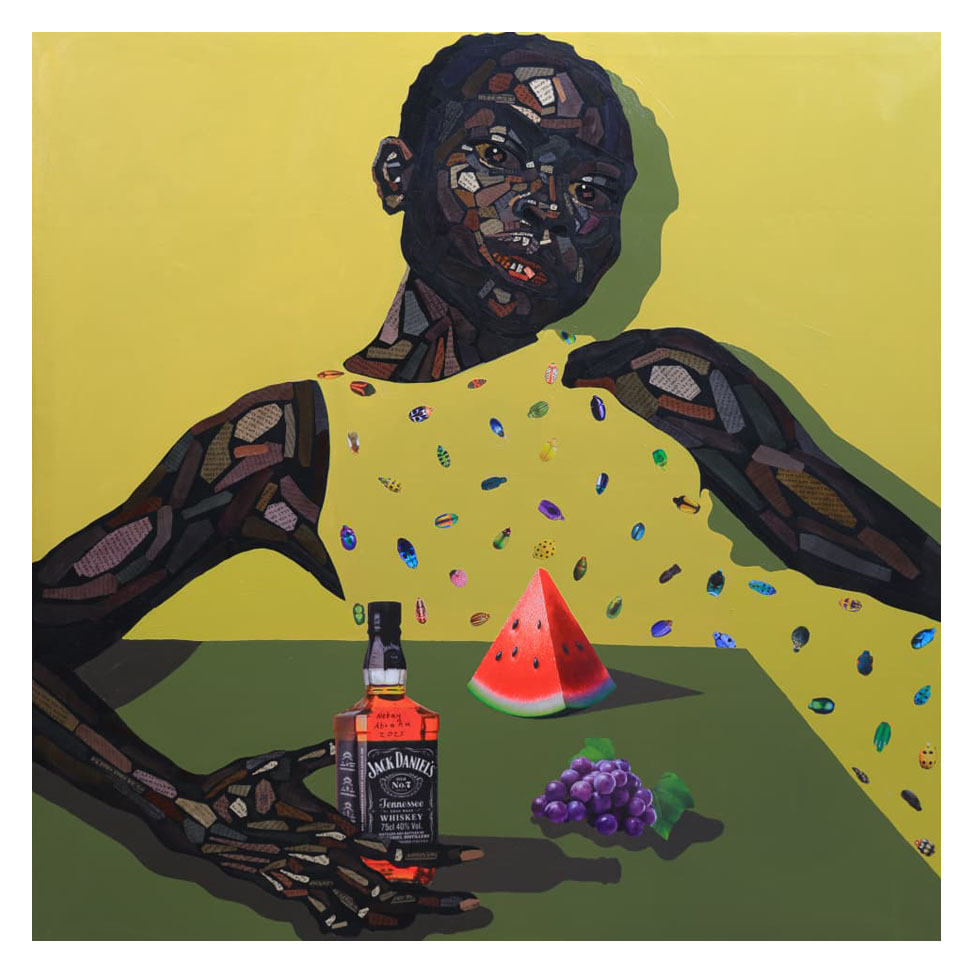
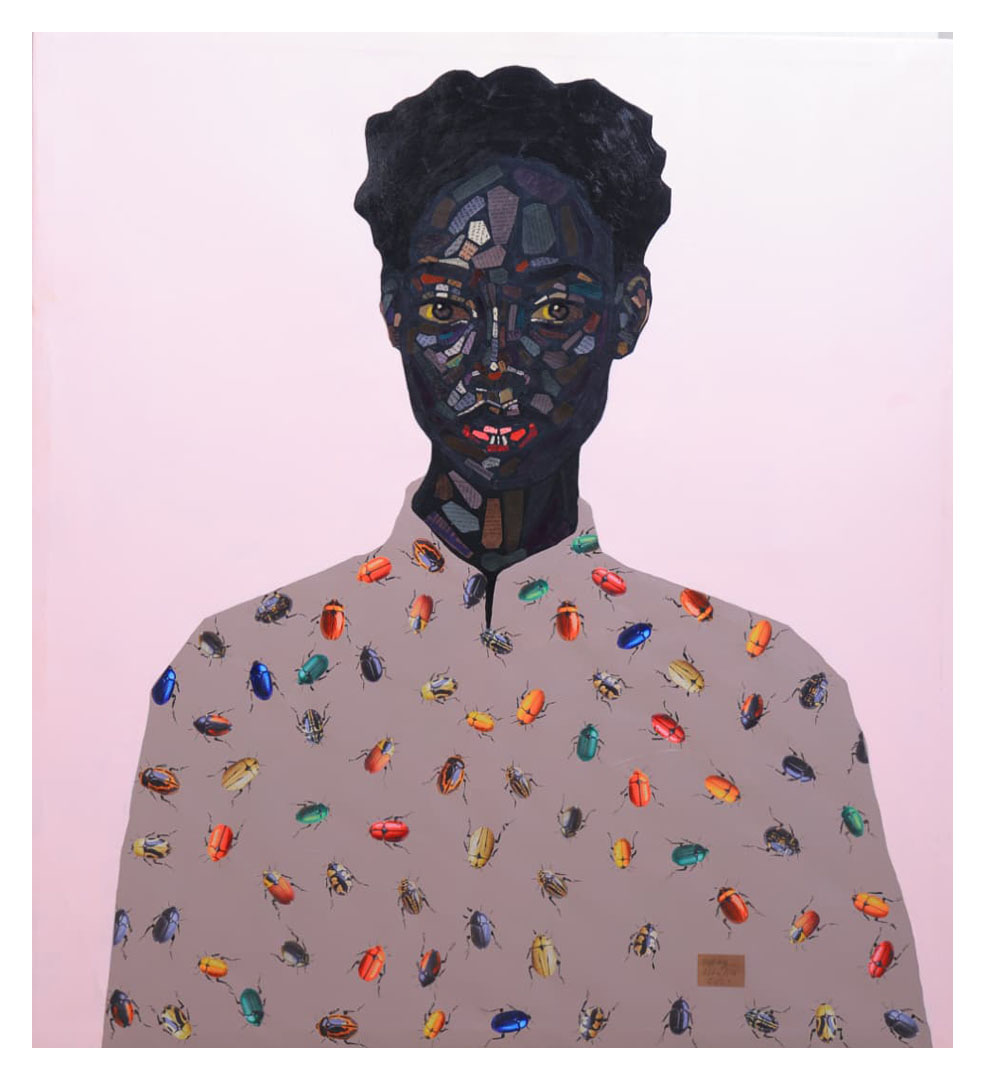
A central theme in his work is the tension between attachment and detachment. This is most powerfully demonstrated in his two-year collection, I WANT TO GO HOME. Through this body of work, Nebay’s pieces speak to the universal feelings of nostalgia and homesickness. He uses figures that represent people from the Horn of Africa, but he deliberately clothes them in a way that suggests they are living out of their regular home conditions. These works speak to the immigrant’s feeling of being “out of place,” even after settling in new communities. They highlight the emotional detachment that comes with constantly looking back to their homeland for comfort and solace. Through these poignant portraits, Nebay’s art doesn’t just depict pain; it also captures the resilience and strength of those building new lives. He aims to create a dialogue that evokes empathy and encourages viewers to accept and understand the immigrant’s position, reflecting on the multifaceted layers of human existence.

Nebay’s work has been featured in numerous exhibitions across East Africa and beyond. He has participated in group shows at prominent galleries, including Circle Art Gallery in Nairobi and Umoja Art Gallery in Kampala, and has even exhibited in the United States, including at the San Francisco Art Fair. His artistic journey from Asmara, where he had his first exhibitions as a teenager, to his current work in Kampala, demonstrates his commitment to using his art as a vehicle for personal expression and a voice for a shared global experience.

Artwork